
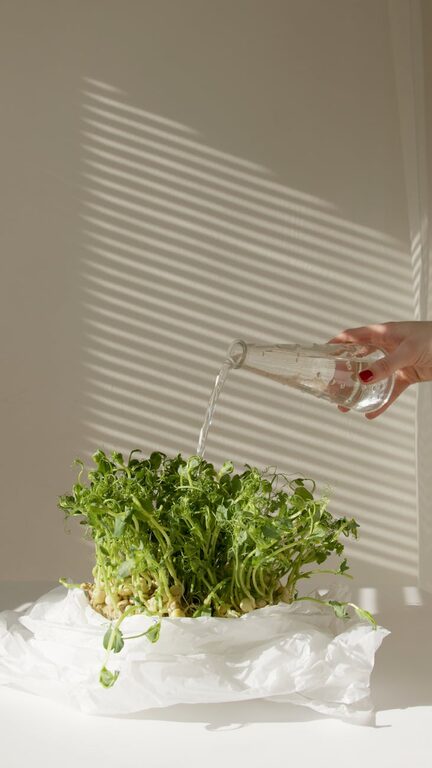
Bringing houseplants into your home is a wonderful way to add natural beauty, improve air quality, and create a calming atmosphere. However, keeping your indoor plants healthy and thriving requires some attention and care. Whether you’re new to plant parenting or a seasoned enthusiast, these practical tips will help you maintain vibrant, lush houseplants that brighten up any room.
Choose the Right Plants for Your Space
Before diving into care routines, it’s important to select plants that suit your living conditions. Consider factors such as natural light, temperature, and humidity.
– Assess Light Levels: Some plants, like succulents and cacti, prefer bright, direct sunlight, while others, such as pothos or snake plants, thrive in low to medium light.
– Match Humidity Needs: Tropical plants (like ferns or peace lilies) enjoy higher humidity, which might require extra attention in dry homes.
– Consider Temperature: Most houseplants prefer stable temperatures between 65-75°F (18-24°C). Avoid placing them near drafts, heaters, or air conditioners.
Choosing the right plants upfront sets the foundation for easier care and better growth.
Provide Proper Lighting
Light is essential for photosynthesis, so understanding your plant’s lighting needs is crucial.
– Natural Light: Position your plants near windows that provide the right light intensity. East or west-facing windows offer moderate light, while south-facing windows provide the strongest sunlight.
– Artificial Lighting: If natural light is limited, consider using grow lights designed for plants. They can supplement or replace sunlight, especially in darker rooms.
– Rotate Regularly: Turn your plants every few weeks to ensure even light exposure and balanced growth.
Water Wisely
Watering is often the trickiest part of caring for houseplants. Overwatering is a common mistake, but underwatering can also stress your plants.
– Understand Plant Needs: Some plants need consistently moist soil (like peace lilies), while others prefer to dry out between waterings (such as succulents).
– Check Soil Moisture: Stick your finger about an inch into the soil; water only if it feels dry.
– Use Proper Drainage: Ensure pots have drainage holes to prevent water from pooling and causing root rot.
– Water Thoroughly: When watering, do so until water drains out the bottom to encourage deep root growth.
– Adjust Seasonally: Plants usually need less water in winter when growth slows down.
Maintain Optimal Humidity
Many houseplants, especially tropical varieties, thrive in humidity levels between 40% and 60%.
– Use a Humidifier: A small room humidifier can increase moisture in dry indoor air.
– Group Plants Together: Clustering plants creates a microenvironment with higher humidity.
– Mist Leaves: Lightly mist leaves with water to provide temporary humidity boosts.
– Place on Pebble Trays: Fill shallow trays with water and pebbles, and set pots on top (without submerging roots) to create humidity as water evaporates.
Feed Your Plants Properly
Like all living things, houseplants require nutrients for healthy growth.
– Choose Balanced Fertilizer: Use a balanced, water-soluble fertilizer formulated for houseplants.
– Follow Instructions: Apply fertilizer during the growing season (spring and summer) about once a month. Avoid fertilizing in fall and winter when most plants rest.
– Don’t Overfeed: Over-fertilizing can harm roots and cause leaf burn, so less is more.
Prune and Clean Regularly
Regular maintenance encourages healthy growth and prevents problems.
– Remove Dead or Yellowing Leaves: This helps plants focus energy on new growth.
– Trim Leggy Growth: Pruning encourages bushier, fuller plants.
– Clean Leaves: Dust blocks light and can attract pests. Wipe leaves gently with a damp cloth or give plants a gentle shower occasionally.
– Repot as Needed: When plants outgrow their pots, transfer them to larger containers with fresh soil.
Watch for Pests and Diseases
Indoor plants can attract pests like spider mites, aphids, or mealybugs.
– Inspect Regularly: Check undersides of leaves and stems for signs of insects.
– Isolate New Plants: Quarantine new additions to prevent spreading pests to existing plants.
– Use Natural Remedies: Insecticidal soaps or neem oil can control many common pests safely.
– Remove Infected Leaves: This helps minimize the spread of disease.
Create a Consistent Care Routine
Plants thrive on consistency.
– Set reminders to check water, light, and overall condition.
– Keep a plant journal to track watering, fertilizing, and growth progress.
– Adjust care as plants grow or seasons change.
Conclusion
Caring for houseplants doesn’t have to be complicated. By understanding your plants’ specific needs and following simple care tips—like proper watering, appropriate lighting, and regular maintenance—you’ll create a healthy environment where your indoor garden can flourish. With a little attention and love, your houseplants will reward you with beauty and fresh air for years to come. Happy planting!