
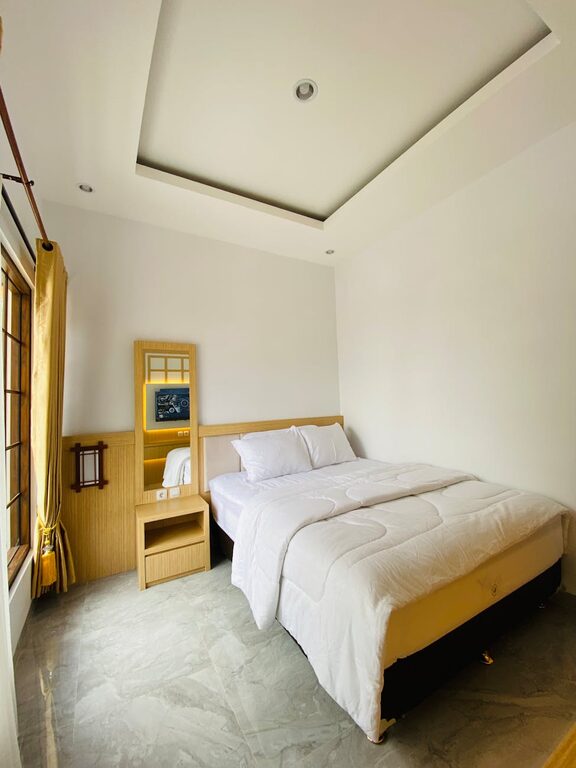
Creating a peaceful home environment can greatly improve your overall well-being. Whether you live in a busy city apartment or a bustling suburban neighborhood, noise from outside or within your home can disrupt your comfort and focus. The good news is that you don’t need expensive renovations or complicated installations to reduce noise at home. This post shares simple, practical ways to create a quieter, more relaxing space.
Understanding Noise and Its Impact at Home
Before diving into solutions, it’s helpful to understand where noise comes from and how it affects your home life. Noise can be:
– Outdoor noise such as traffic, construction, or neighbors
– Indoor noise from appliances, electronics, or family members
– Echo or sound bouncing off hard surfaces inside your home
Excessive noise can increase stress, disrupt sleep, and reduce concentration. Reducing noise helps create a calmer atmosphere that supports relaxation and productivity.
Easy Ways to Reduce Noise at Home
1. Use Soft Furnishings to Absorb Sound
Hard surfaces like tile floors, bare walls, and wooden furniture reflect sound and make noise linger. Adding soft materials helps absorb sound waves, reducing overall noise levels.
– Add area rugs or carpets to floors, especially in high traffic areas.
– Use thick curtains or drapes on windows to block outdoor noise.
– Incorporate upholstered furniture like sofas and armchairs.
– Place cushions and pillows around frequently used seating.
2. Seal Windows and Doors to Block Noise
Gaps and cracks around windows and doors let in unwanted sounds. Sealing them is an easy and affordable step.
– Apply weatherstripping around door frames.
– Use door sweeps to close gaps under doors.
– Use caulk or sealant on window frames where gaps appear.
– Consider double-pane or storm windows if outdoor noise is severe.
3. Rearrange Furniture Strategically
Furniture placement can influence how sound travels in a room.
– Position bookshelves or cabinetry against shared walls to act as sound barriers.
– Place large furniture items like sofas or armoires near noisy windows or walls.
– Avoid leaving empty wall spaces facing noisy areas; fill them with décor or soft items.
4. Use Soundproofing Accessories
There are many affordable soundproofing products designed for home use.
– Wall hangings made from fabric or cork can help dampen sound.
– Acoustic panels or foam tiles can be installed discretely on walls or ceilings.
– Door seals and window inserts offer additional noise blocking.
– White noise machines or fans can mask distracting sounds.
5. Manage Noisy Appliances and Devices
Household items can create background noise, which adds up.
– Place washers, dryers, or dishwashers on vibration-absorbing mats.
– Use pads or felt under noisy electronics or furniture to reduce movement noise.
– Mute or reduce the volume on televisions, computers, and phones.
– Turn off unnecessary machines or appliances when not in use.
6. Create Quiet Zones in Your Home
Designate specific rooms or corners as quiet areas where noise is minimized.
– Choose rooms away from street-facing windows or busy family areas.
– Arrange furniture and soft furnishings to maximize sound absorption.
– Encourage household members to keep noise low in these spaces.
– Use these zones for reading, meditation, work, or relaxation.
Maintaining a Quiet Home Environment
Consistency is key to maintaining a noise-reduced home.
– Regularly check and repair seals on windows and doors.
– Keep curtains closed or drawn during peak noise times.
– Maintain soft furnishings in good condition.
– Coordinate household quiet hours, especially early mornings and late evenings.
– Consider communicating with neighbors if external noise becomes consistent or disruptive.
When to Consider Professional Help
If noise persists despite your best efforts and affects your quality of life, professional soundproofing options may be helpful.
– Consult with a contractor or soundproofing specialist.
– Explore options like installing extra insulation, soundproof drywall, or acoustic underlayment for floors.
– Professional installations can be more costly but offer long-lasting solutions.
Final Thoughts
Noise at home doesn’t have to be overwhelming. Even small changes like adding rugs, sealing gaps, and rearranging furniture can significantly reduce noise and enhance your comfort. By combining these simple techniques and staying mindful of your environment, you can enjoy a quieter, more peaceful home.
—
By following these practical tips, you can transform your space into a calm sanctuary where noise takes a backseat to relaxation and well-being. Give these methods a try and see how much more enjoyable your home life can be!