
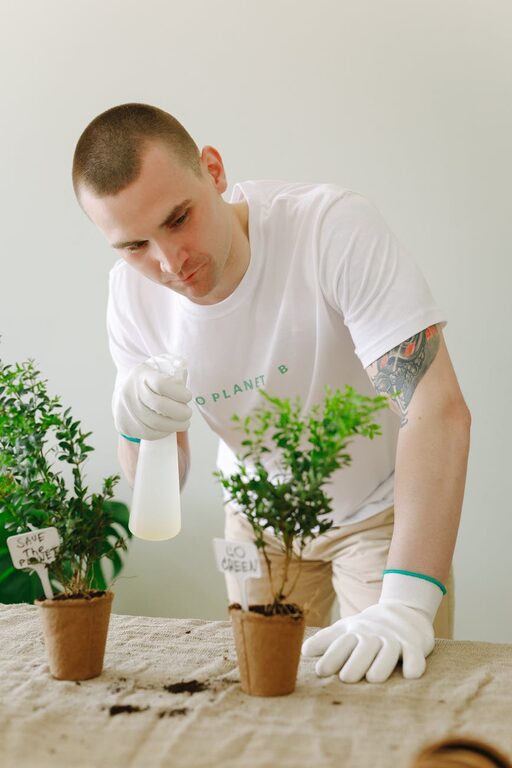
Bringing houseplants into your home is a wonderful way to add life, color, and a bit of nature to your living space. However, keeping them healthy requires some knowledge and care. Whether you are a seasoned plant parent or just starting out, these tips will help you maintain vibrant, thriving houseplants all year round.
Understanding Your Houseplants’ Needs
Every plant species has unique requirements, but most houseplants share some fundamental needs. Understanding these will set the foundation for successful care.
Light Requirements
Plants need light for photosynthesis, the process that lets them grow and stay healthy.
– Know your plant’s preferred light level: Some plants thrive in bright, indirect sunlight (like fiddle leaf figs or spider plants), while others prefer low light (such as snake plants or pothos).
– Avoid direct harsh sunlight: Direct sun can scorch sensitive leaves. If your plant prefers indirect light, place it near a north or east-facing window.
– Rotate regularly: Turning your plant every week ensures even growth and prevents leaning toward the light.
Watering Wisely
Watering mistakes are common but easy to fix.
– Check soil moisture before watering: Stick your finger about an inch into the soil. If it feels dry, it’s time to water; if it’s still moist, wait a few days.
– Use room temperature water: Cold water can shock roots, especially for tropical plants.
– Water thoroughly: Water should soak through the soil and drain out the bottom to encourage root health, but don’t let your plant sit in standing water.
– Adjust frequency by season: Most plants need less water in winter when growth slows.
Soil and Pot Selection
Good soil and the right container promote healthy roots and prevent problems.
– Choose quality potting mix: Use soil formulated for indoor plants rather than garden soil, which can be too heavy or contain pests.
– Pick a pot with drainage holes: Adequate drainage prevents root rot, a common houseplant killer.
– Repot when needed: Over time, plants can outgrow their containers. Repot every 1-2 years to refresh soil and give roots room to grow.
Additional Tips for Healthy Houseplants
Once you understand the basics, these extra steps will help your plants flourish.
Provide Proper Humidity
Many houseplants come from tropical environments and appreciate humidity.
– Group plants together: This raises humidity naturally by pooling moisture.
– Use a humidifier: A small home humidifier can benefit delicate plants during dry months.
– Mist leaves occasionally: Light misting can help, but avoid overdoing it to prevent fungal diseases.
Fertilize Appropriately
Plants need nutrients, especially during their active growth periods.
– Use a balanced fertilizer: Choose one formulated for houseplants and follow label directions.
– Feed during growing season: Typically spring and summer, when the plant is actively growing.
– Skip fertilizing in winter: Most plants rest in colder months and won’t require extra nutrients.
Monitor for Pests and Diseases
Keep an eye on your plants to catch problems early.
– Common pests: Look for signs of aphids, spider mites, mealybugs, and scale insects.
– Treat promptly: Use gentle insecticidal soap or wipe leaves with a damp cloth to remove pests.
– Keep plants clean: Dust leaves regularly to improve photosynthesis and reduce pest hiding spots.
Prune Regularly
Pruning encourages bushier growth and removes dead or yellowing leaves.
– Use clean, sharp scissors: This prevents damage or infection.
– Cut just above a leaf node: This helps the plant produce new growth.
– Remove dead flowers or stems: Keeps the plant looking neat and healthy.
Troubleshooting Common Issues
Even with the best care, problems can crop up. Here’s how to troubleshoot some frequent houseplant issues:
– Wilting leaves: Could indicate underwatering or overwatering. Check soil moisture and adjust watering habits.
– Yellowing leaves: Often a sign of overwatering or poor drainage. Ensure pots drain well and reduce watering frequency.
– Brown leaf tips: May be caused by low humidity, excess fertilizer, or exposure to drafts.
– Slow growth: Could be due to insufficient light, nutrient deficiency, or root-bound plants needing repotting.
Final Thoughts
Caring for houseplants is a rewarding hobby that brings beauty and freshness into your home. By paying attention to your plants’ light, water, soil, and environmental needs, you can enjoy thriving greenery that brightens your space all year round. Remember, patience and observation are your best tools—each plant will tell you what it needs if you listen closely.
Happy gardening!