
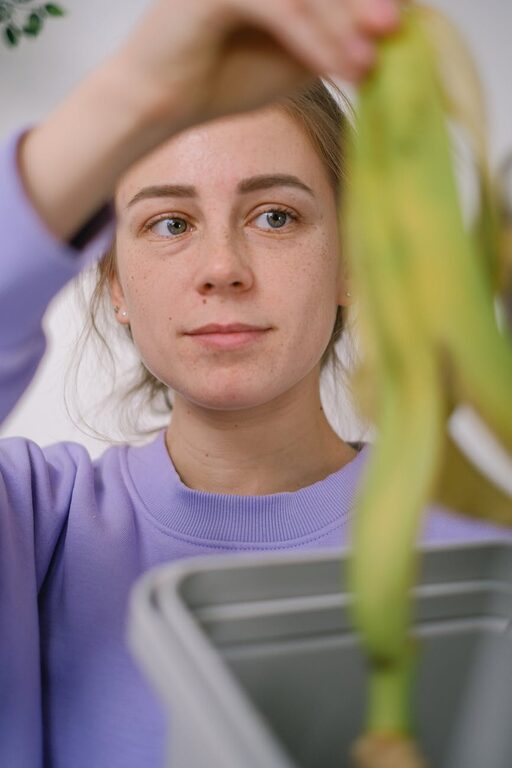
Composting at home is a fantastic way to reduce waste, enrich your garden soil, and contribute positively to the environment. If you’re new to composting, the process might seem overwhelming, but it’s easier than you think! This guide will walk you through beginner-friendly tips to get started with composting right in your backyard or even indoors.
What is Composting?
Composting is the natural process of breaking down organic materials—like food scraps and yard waste—into nutrient-rich soil called humus. This “black gold” feeds plants, improves soil health, and reduces the amount of waste sent to landfills.
Why Compost at Home?
– Reduces Waste: About 30% of household trash is compostable.
– Improves Garden Soil: Compost adds vital nutrients and improves soil texture.
– Saves Money: Less need to buy chemical fertilizers.
– Good for the Planet: Reduces methane emissions from landfills.
Getting Started: Choosing the Right Composting Method
Several composting methods work well for beginners, depending on your space, lifestyle, and preferences:
1. Backyard Composting
If you have a garden or yard, a compost bin or pile is perfect. Compost bins come in plastic, metal, or wooden forms, and some have features like turning mechanisms for easy mixing.
2. Worm Composting (Vermicomposting)
Great for indoor composting, worm bins use red worms to break down kitchen scraps. They’re compact and odor-free if managed well.
3. Bokashi Composting
A fermentation-based method that allows you to compost all kitchen waste, including meat and dairy. It requires a special Bokashi bin and bran.
For beginners, starting with a simple backyard compost bin or worm composting often works best.
What Can You Compost?
Knowing what to add is key to successful composting.
Greens (Nitrogen-rich materials)
– Fruit and vegetable scraps
– Coffee grounds and filters
– Tea bags (check for plastic)
– Fresh grass clippings
– Plant trimmings
Browns (Carbon-rich materials)
– Dry leaves
– Straw and hay
– Shredded newspaper or cardboard
– Sawdust (untreated)
– Paper towels and napkins
What to Avoid
– Meat, fish, and dairy (can attract pests)
– Oils and greasy foods
– Diseased plants or weeds with seeds
– Pet waste
– Treated wood or sawdust from treated lumber
Setting Up Your Compost Pile
Step 1: Choose a Location
– Preferably a spot with good drainage and partial sunlight.
– Close enough to your kitchen or garden for convenience.
Step 2: Build the Base
Start with a layer of coarse materials like twigs or straw to help with air circulation.
Step 3: Add Layers of Greens and Browns
Aim for a balance of roughly 2 to 3 parts browns to 1 part greens. Too many greens can make the pile smelly; too many browns slow decomposition.
Step 4: Maintain Moisture
The pile should be as damp as a wrung-out sponge—not too wet, not too dry. Water if needed, especially in dry weather.
Turning and Monitoring Your Compost
– Turn the pile every 1 to 2 weeks to add oxygen and speed up decomposition.
– Use a garden fork or compost aerator tool.
– Monitor temperature: a well-maintained pile heats up, which kills weeds and pathogens.
How Long Does Compost Take?
Depending on conditions, compost can be ready in as little as 2 months to up to a year. Finished compost looks dark, crumbly, and smells earthy.
Using Your Finished Compost
– Mix it into garden beds to improve soil structure.
– Use as mulch around plants to retain moisture.
– Add to potting mixes for indoor and outdoor plants.
Troubleshooting Common Composting Problems
| Problem | Cause | Solution |
|———————|——————————-|————————————|
| Smelly compost | Too much green/wet material | Add more browns and turn pile |
| Compost too dry | Lack of moisture | Water pile and cover to retain moisture |
| Slow decomposition | Not enough air or balanced materials | Turn pile and check green/brown ratio |
| Pests or rodents | Meat, dairy, or uncovered scraps | Avoid banned items and cover scraps |
Tips to Make Composting Easier
– Chop scraps into smaller pieces for faster breakdown.
– Use a compost thermometer to check internal temperature.
– Collect scraps in a kitchen container with a lid to minimize odors.
– Avoid adding weeds with seed heads to prevent garden invasion.
Final Thoughts
Composting at home is a rewarding practice that benefits your garden, wallet, and the planet. Starting simply and learning as you go can make the process enjoyable and sustainable. Remember, every bit of compost you create helps reduce waste and supports a greener lifestyle. Happy composting!
—
Ready to start your compost journey? Choose your method, gather your scraps, and watch nature do its magic!