
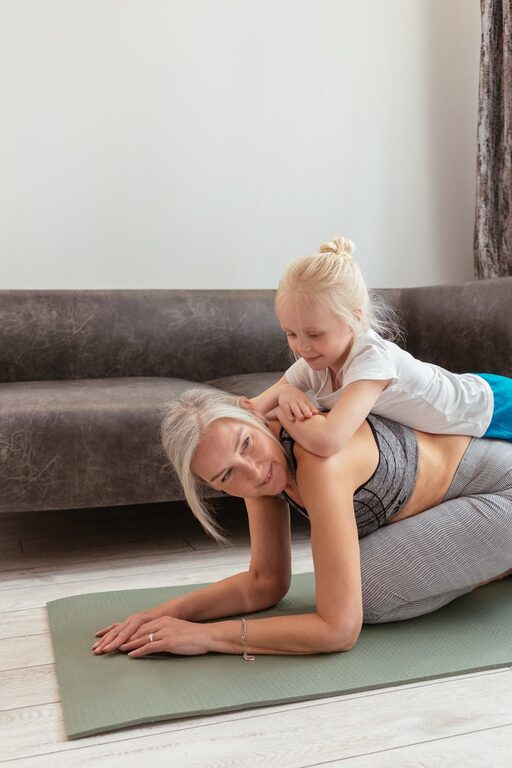
Stretching is a gentle and accessible way to enhance your flexibility, relieve muscle tension, and support overall wellness. Whether you’re new to exercise or looking to add a simple routine to your day, stretching at home is a great option. This beginner’s guide will walk you through why stretching is important, how to get started safely, and some easy stretches you can do without any special equipment.
Why Stretch at Home?
Stretching at home offers several benefits that make it worth incorporating into your daily routine:
– Improves flexibility: Regular stretching helps lengthen muscles and improve your range of motion.
– Reduces muscle tension: Stretching can relieve tightness and stiffness after inactivity or prolonged sitting.
– Enhances circulation: Gentle movement increases blood flow to your muscles and joints.
– Prevents injuries: Flexible muscles and joints are less prone to strains and sprains.
– Boosts relaxation: Stretching encourages mindfulness and reduces stress.
– Easy and convenient: At-home stretching requires no gym visits or special equipment.
Getting Started: Tips for Beginners
Before diving into stretches, keep a few guidelines in mind to make your routine effective and safe.
1. Warm up first
Stretching cold muscles can lead to injuries. Begin with 5 minutes of light activity such as walking in place or swinging your arms to get your blood flowing.
2. Go slow and steady
Ease into each stretch slowly and hold gently. Avoid bouncing or forcing your body into uncomfortable positions.
3. Breathe deeply
Focus on slow, deep breaths to help your muscles relax while you stretch.
4. Listen to your body
Mild discomfort is normal, but sharp pain is a warning sign. Adjust or stop any stretch that doesn’t feel right.
5. Keep a consistent routine
Aim to stretch at least 3 times per week for 10–15 minutes. Consistency brings the best results.
Simple At-Home Stretches for Beginners
Here are some easy stretches targeting common tight areas. Feel free to do them seated or standing depending on your comfort.
Neck Stretch
– Sit or stand tall.
– Gently tilt your head toward your right shoulder until you feel a stretch on the left side.
– Hold for 15–30 seconds, then switch sides.
Shoulder Rolls
– Stand with feet shoulder-width apart.
– Slowly roll your shoulders forward 10 times, then backward 10 times.
– This helps loosen shoulder tension.
Chest Opener
– Clasp your hands behind your back and straighten your arms.
– Lift your chest and squeeze your shoulder blades together.
– Hold for 20 seconds while breathing deeply.
Cat-Cow Stretch (Spine Mobility)
– Start on your hands and knees.
– Arch your back upward like a cat, tucking your chin (Cat).
– Then drop your belly toward the floor, lifting your head and tailbone (Cow).
– Repeat slowly 5–8 times.
Seated Hamstring Stretch
– Sit on the floor with one leg extended.
– Reach toward your toes while keeping your back straight.
– Hold for 20–30 seconds, then switch legs.
Hip Flexor Stretch
– Kneel on your right knee, left foot flat in front.
– Gently push your hips forward to feel a stretch along the front of the right hip.
– Hold 20 seconds, then switch sides.
Calf Stretch
– Stand facing a wall and place your hands on it.
– Step one foot back, keeping the heel on the ground and leg straight.
– Lean forward slightly to stretch your calf.
– Hold for 20 seconds, then switch feet.
Creating a Stretching Routine
To make stretching a habit, try scheduling a routine that fits your lifestyle. Here’s a sample beginner routine you can follow:
- Warm-up: March or walk around for 5 minutes
- Neck stretch – 30 seconds each side
- Shoulder rolls – 10 forward, 10 backward
- Chest opener – 20 seconds
- Cat-Cow stretch – 5 repetitions
- Seated hamstring stretch – 30 seconds each leg
- Hip flexor stretch – 20 seconds each side
- Calf stretch – 20 seconds each side
- Deep breathing and relaxation – 2 minutes
This routine should take about 10–15 minutes and can be done daily or every other day.
Final Tips for Success
– Wear comfortable clothes that allow free movement.
– Use a yoga mat or soft surface if desired.
– Stay hydrated throughout the day to keep muscles supple.
– Consider setting reminders or pairing stretching with daily habits like morning coffee or evening relaxation.
– If possible, consult a fitness instructor or physical therapist for personalized advice.
—
Stretching at home is a simple yet powerful way to promote mobility, reduce stress, and take care of your body. Start slowly, be patient, and enjoy the benefits that come with this healthy, mindful practice. Your muscles will thank you!